The Golden Rule of Milling: Thick to Thin
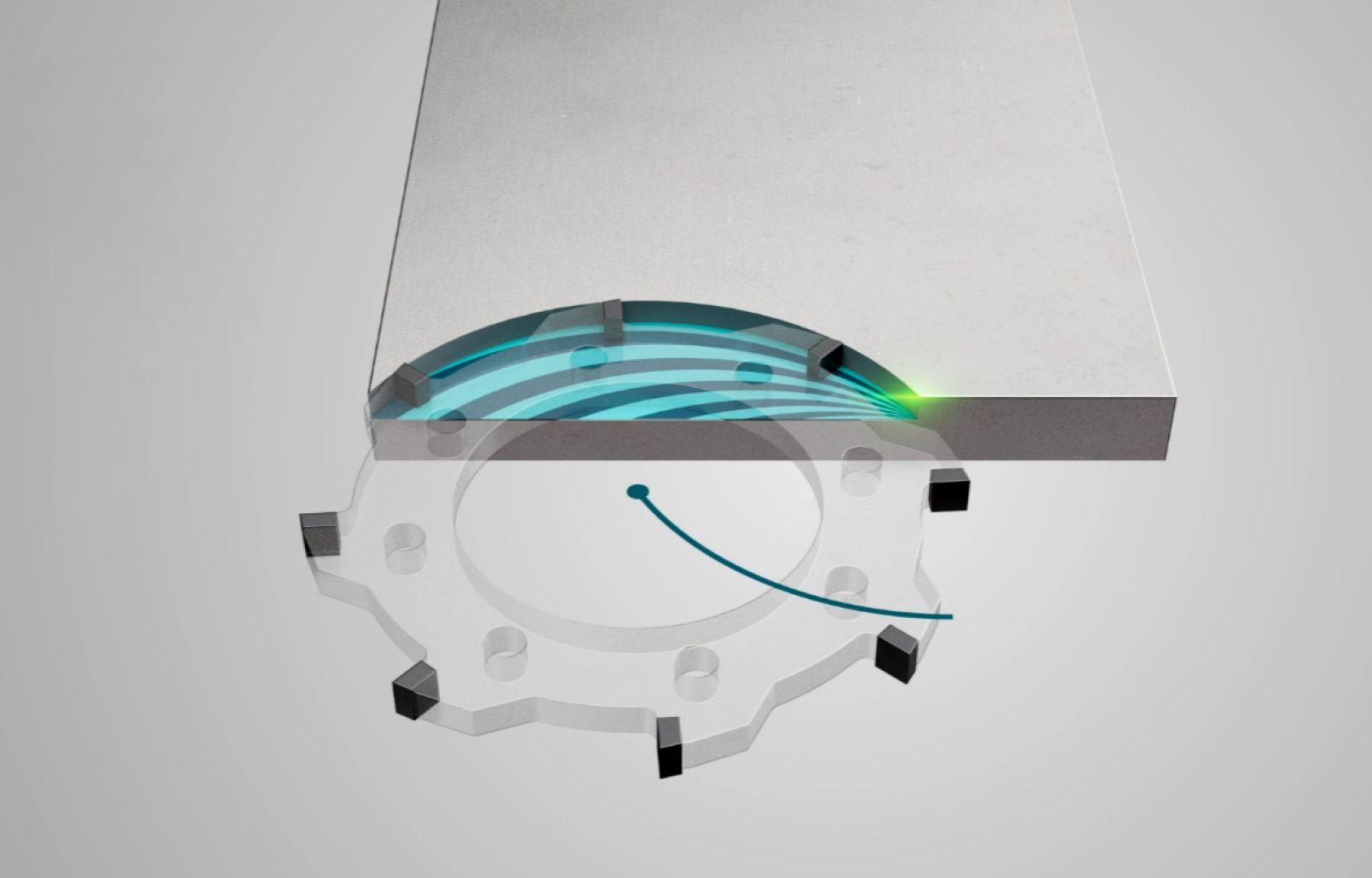
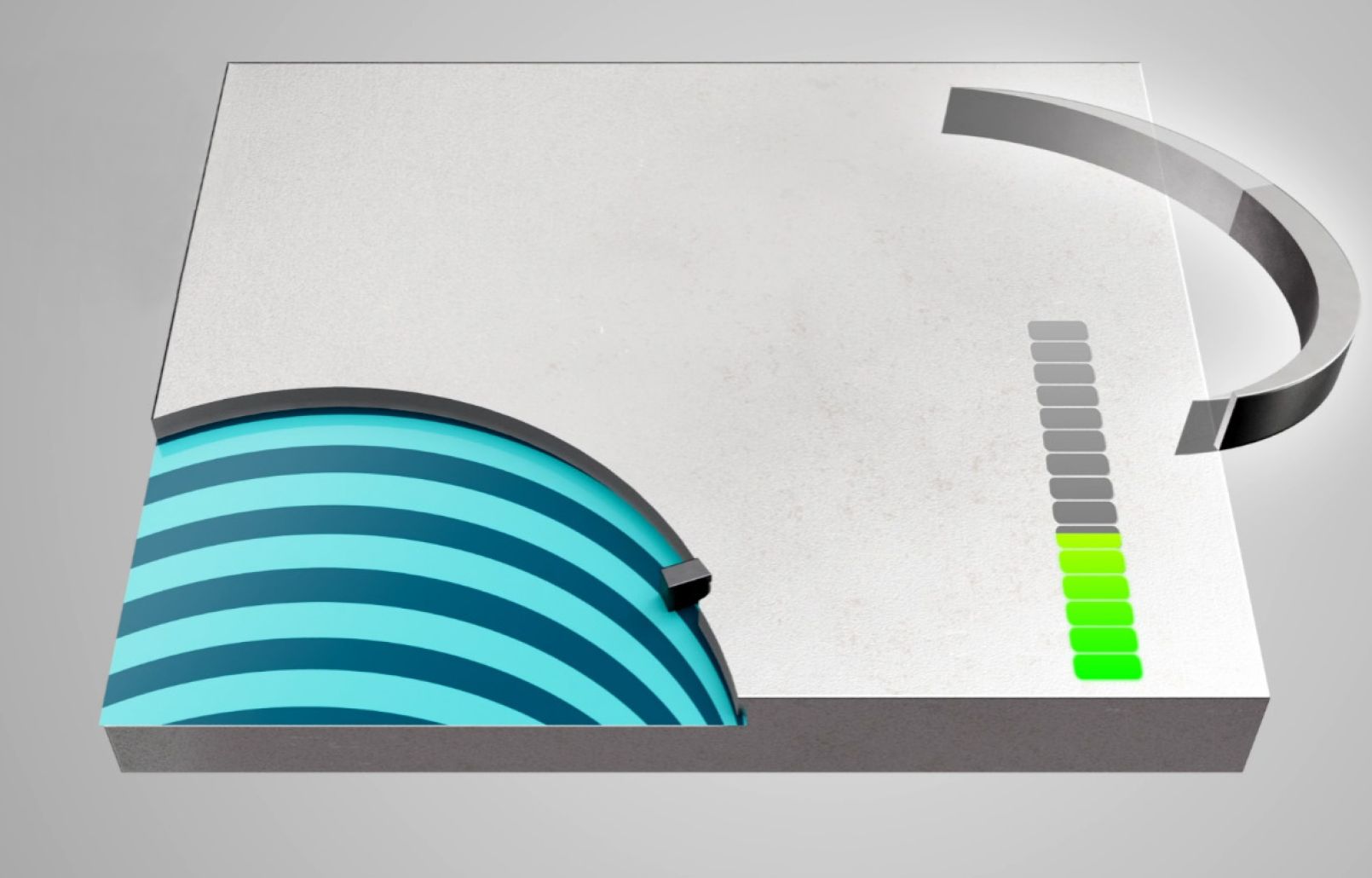
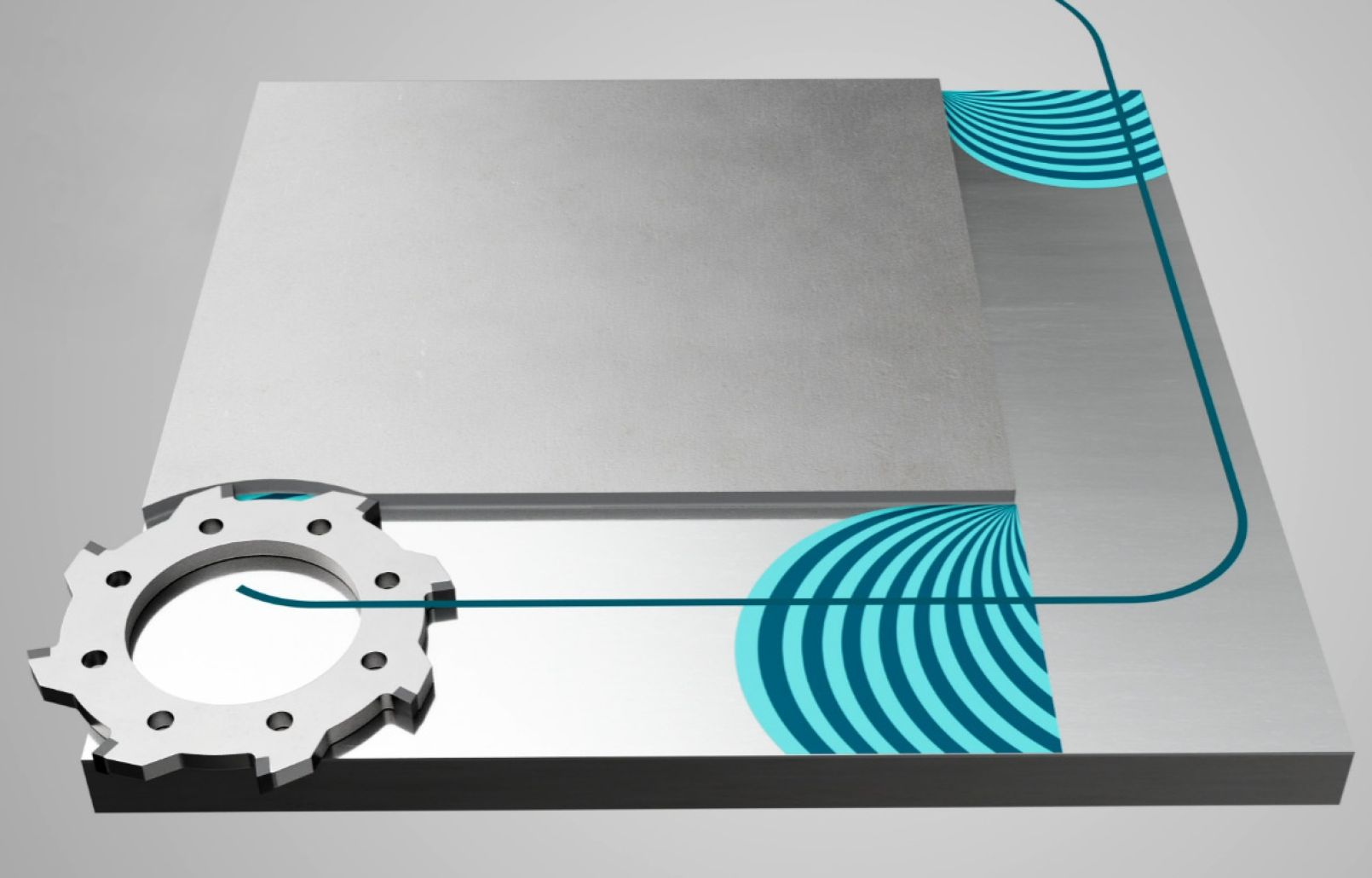
An important factor in milling is chip formation. The chip thickness should be as low as possible when the cutting edge exits the material, and cutter position plays a crucial role. Conventional milling, climb milling, and machining through the center of the workpiece can cause alternating loads, bidirectional axis corrections, and increased machine wear.
Excessive chip thickness at the cutting edge exit causes sudden tool disengagement, momentary tensile stress on the cutting edge, and an increased risk of chipping. Using a smaller cutter diameter can increase the metal removal rate and reduce machining time. In addition, thinner chips at the cutting edge exit help achieve consistently longer tool life. This uniform loading ensures a safe, highly efficient, repeatable, and reliable process.
The “Thick to Thin” principle ensures a stable milling process by minimizing chip thickness as the cutter exits the material. This approach not only improves finished part quality but also extends tool life.